
Artificial Intelligence Regulation: A Global Turning Point
Author: Name of the Author
Feb 02, 2026Artificial intelligence (AI) is no longer an uncharted frontier. Around the world, it is becoming one of the most closely regulated technological domains. Missteps in how AI is designed, deployed, or monitored can have profound consequences — not only for individual rights and safety, but also in terms of financial and reputational risks for organizations.
Recent landmark legislation, such as the European Union’s AI Act and the Colorado AI Act in the United States, reflects a growing global consensus: AI must be developed responsibly, transparently, and with robust safeguards. These frameworks place accountability squarely on developers, deployers, and organizations adopting AI, ensuring that ethical and legal boundaries keep pace with innovation.
Why is AI Regulation Accelerating?
AI systems — particularly large-scale models like generative AI and large language models (LLMs) — have demonstrated transformative potential across industries. At the same time, risks such as algorithmic bias, privacy violations, and misuse have triggered widespread concern. Governments and regulators worldwide are stepping in to close the gap between rapid adoption and lagging governance, ensuring AI aligns with principles of safety, fairness, and human rights.
- EU AI Act – Introduces a risk-based framework, classifying AI systems according to their potential impact on safety and fundamental rights. High-risk applications — including those used in healthcare, employment, critical infrastructure, and biometric identification — will require strict testing, documentation, and oversight. Already, the Act is setting a global benchmark.
- Colorado AI Act – The first of its kind in the U.S., this legislation focuses on algorithmic discrimination. It requires developers and deployers of AI systems to proactively address bias in high-stakes applications such as hiring, lending, and healthcare. Its emphasis on transparency and accountability is expected to influence further U.S. state legislation.
AI audits are becoming essential as regulations expand worldwide. At DEKRA, we ensure that organizations not only comply with evolving standards but also strengthen the reliability and integrity of their AI systems.
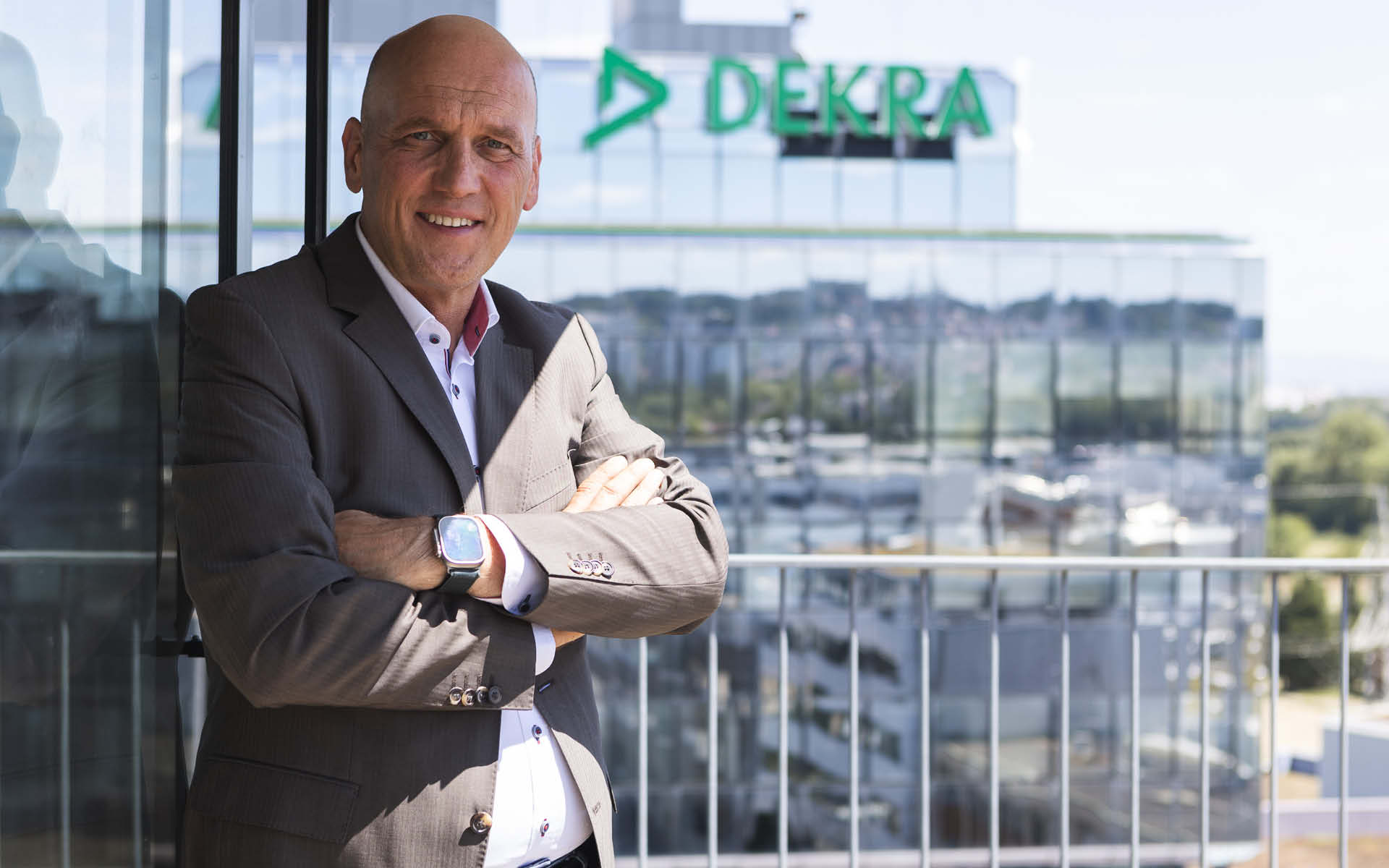
Giammarco Cirillo, Global Business Line Manager – AI, Information & Cyber Security, DEKRA

Stay informed. Stay compliant. Stay ahead.
The Road Ahead
As AI regulation becomes a global reality, organizations that act early will gain a competitive advantage. Proactive compliance enhances not only legal resilience but also the security, trustworthiness, and quality of AI systems.
At DEKRA, we closely monitor global regulatory developments and support organizations with independent audits and assessments. Our evaluations provide assurance that AI systems are not only compliant with current and emerging requirements but also reliable, transparent, and trusted — today and in the future.

27 Results

Sep 02, 2026Digital Trust Stories
Wi-Fi 7 in the Fast Lane: Inside DEKRA’s Test Lab
When you step into the DEKRA Testing and Certification lab in Málaga, Spain, you don’t just enter a workspace. You enter the engine room of tomorrow’s wireless world
View article

Jul 16, 2026Digital Trust Stories / Artificial Intelligence / Cyber Security
Biometric Verificaton vs Identification: Key Differences
Biometric verification vs identification: discover the key differences for security, privacy, and compliance readiness.
View article
Jul 01, 2026Digital Trust Stories / Cyber Security
Why Digital Trust Begins in Everyday Work
Screen unlocked, password shared – our digital working day is full of security risks. We show what it takes to create Digital Trust.
View article

Jun 29, 2026Digital Trust Stories / Cyber Security / Digital Trust
CICLON vs LINCE: Raising the Bar for Security in Cloud Services
CICLON vs LINCE: discover which certification boosts security in cloud services and why choosing the right one matters more than ever.
View article