If these chemical substances are not properly identified and packaged for safe transport, they can pose a threat to human lives or the environment. Their accidental release could result in fires and explosions or other catastrophes. Accurate, thorough testing provides protection against the risks to life and property inherent in the transportation of hazardous materials in commerce.
We provide the full suite of tests for the transportation classification of dangerous goods prescribed by UN and DOT regulations. Our GLP and ISO 9001 compliant testing laboratory is equipped to handle powders, liquids, gases and vapors , even those classified or believed to be toxic, highly active or controlled. These facilities, together with our expertise, assist clients in complying with regulatory requirements relating to the transportation of hazardous substances.
Your Benefits
- Knowledge, experience and first-rate testing facilities
- Commitment to creating a personable, friendly and open working environment
- GLP and ISO 9001 compliant testing laboratories
Our Approach
Our testing of dangerous goods for transport is based on the UN classification system and includes the full suite of recommended methods and procedures. These include:
UN class 1 (Explosives):
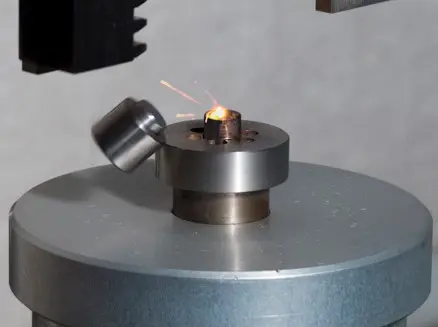
BAM fall hammer, BAM friction and Koenen tube test to measure ignition sensitivity
Time / pressure, UN gap test and fire analysis to measure explosion severity
UN class 2 (Aerosols):
Tests for chemical heat combustion, ignition distance, enclosed space ignition, mist flammability and more
UN class 3 (Flammable Liquids):
Flash point, fire point and sustained combustion testing
UN Class 4:
- Division 4.1. (Self-reactive substances and highly-flammable solids):
Adiabatic storage test to determine the SADT, self-accelerating decomposition temperature
Burning rate test to determine the ability of a substance to propagate combustion - Division 4.2 (Self-heating solids, pyrophoric solids and liquids):
Pyrophoricity test to determine the pyrophoricity of a substance
Self-heating test to determine the ability of a substance to undergo oxidative self-heating - Division 4.3 (Substances evolving flammable gases when in contact with water):
Filter paper and conical tests to determine whether reaction with water produces dangerous gases which may be flammable
All of these tests are performed in accordance with the methods described in the UN and DOT recommendations on the transport of dangerous goods.