
Corporate Sustainability in Practice: Projects Worldwide
Projects Around the World: Sustainability in Practice
As a global partner for a safe and sustainable world, DEKRA takes responsibility. We are continuously improving our sustainability performance and that of our value chains. Our strategy takes effect primarily through concrete actions at our locations worldwide.
On this page, we present selected initiatives and best practices from our global teams. Learn how we are expanding renewable energy and solar concepts, systematically transitioning our vehicle fleets to electric mobility, and conserving resources through digital processes and the circular economy. In addition to environmental measures at our locations, we also focus on concrete initiatives to promote biodiversity, road safety, and social engagement. Discover our insights and success stories from around the world.
Mainland China: Solar Energy, Sustainable Infrastructure, and ESG Leadership
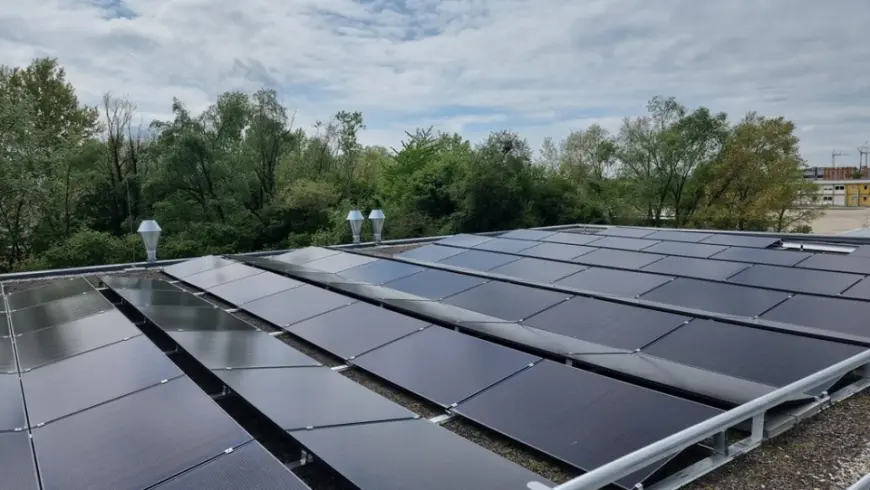
In Mainland China, DEKRA continues to invest heavily in renewable energy and sustainable infrastructure. At the Shanghai Jiading Test Center, a photovoltaic system with a capacity of 2.629 MW has been installed across approximately 12,500 square meters. The installation is expected to generate around 2.3 million kWh of electricity annually. Between May and December 2025 alone, nearly 2 million kWh were produced and used directly within the laboratories. Sustainability is also a key consideration at DEKRA's new Suzhou site. The facility includes more than 1,400 square meters of photovoltaic installations, an expected annual electricity output of approximately 240,000 kWh, and 31 charging points for electric vehicles.
For its contributions to ESG performance and the sustainable development of global supply chains, DEKRA China has received multiple ESG awards and recognitions.
Taiwan: Improving Road Safety for Children in Remote Communities
In Taiwan, DEKRA is strengthening its commitment to child road safety. As part of the Safety Child Caps Initiative, employees distributed reflective safety caps to children living in remote regions and conducted workshops on safe road crossing practices and blind-spot awareness. The initiative combines social responsibility with practical accident-prevention measures.
Americas Region: From Climate Progress in Chile and the United States to Lean Efficiency in Costa Rica
Within DEKRA's operations across the Americas, Chile has emerged as one of the leading examples of sustainability progress. Advancements in emissions reduction, resource efficiency, and local environmental partnerships are supported by strong governance structures and employee engagement. Examples include participation in the Chilean Ministry of Environment's HuellaChile program and the launch of a reforestation initiative in San Vicente. In the United States, DEKRA is transitioning its vehicle inspection fleet to hybrid vehicles to reduce carbon emissions. Meanwhile, DEKRA Costa Rica demonstrates how lean management approaches can contribute to environmental performance. Reduced waiting times at inspection stations resulted in a calculated reduction of approximately 693 metric tons of CO₂ during the first quarter of 2025 alone.
Germany, Switzerland & Austria (GSA): Energy, Biodiversity, Resource Efficiency, and Sustainable Mobility
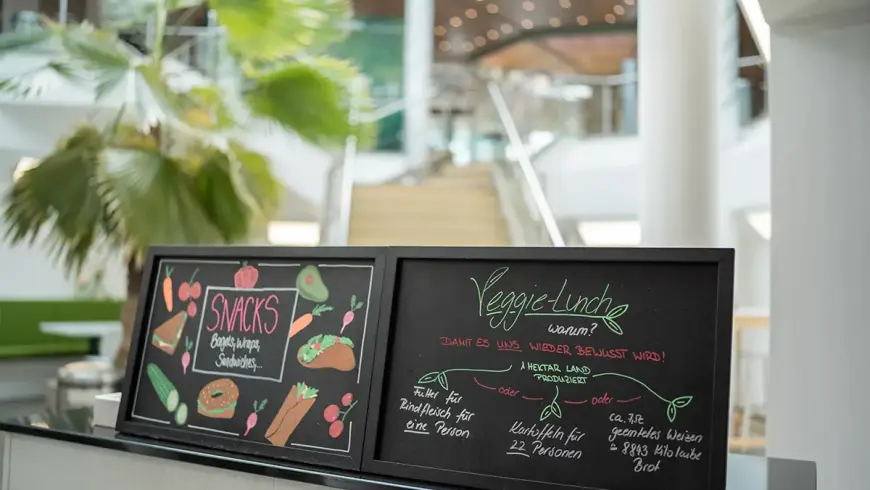
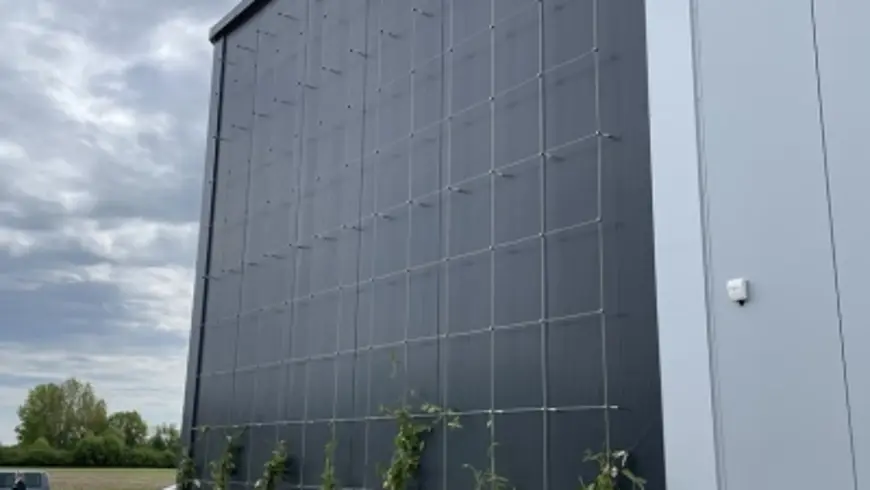
Across Germany, Switzerland, and Austria, DEKRA demonstrated in 2025 how sustainability can be systematically embedded into daily operations and long-term business development. The award-winning Congress Center Wart combines modern conference facilities with a clear commitment to environmental stewardship. On-site photovoltaic generation, sustainable procurement practices, and food waste recovery through ReFood are integral elements of its operating model. At DEKRA's Stuttgart headquarters, outdoor areas were comprehensively redesigned following recommendations from the Nature and Biodiversity Conservation Union Germany (NABU). Biodiversity-friendly green spaces, species-rich habitats, and measures to improve the local microclimate have transformed the site into a model for future DEKRA locations.
At the Battery Test Center Klettwitz, sustainable mobility takes center stage. The facility supports the development of future battery technologies through environmental testing, extreme-condition validation, and safety-focused engineering services. Meanwhile, DEKRA's new Erfurt facility, completed in 2026, combines modern testing capabilities with energy-efficient infrastructure, including heat pump technology and photovoltaic systems.
 DEKRA Ingolstadt
Sweden: Engineering Expertise and Digital Services for Sustainability
DEKRA Sweden demonstrates how technical expertise can support sustainability across a broad range of industries. Examples include engineering assessments that enable the continued safe operation of decades-old grain silos, material fatigue analyses for Gothenburg's tram network, and the development of preventive maintenance programs designed to improve reliability and resource efficiency. Digital vehicle inspections delivered through the i2i platform help reduce travel requirements and resource consumption, while return inspections for electric buses in Umeå support the ongoing electrification of public transportation.
Netherlands: Community Engagement, E-Mobility, and Low-Emission Operations
In the Netherlands, DEKRA combines social engagement with practical sustainability initiatives. Volunteer programs such as DEKRA Doet support local environmental projects, while initiatives including Motopp help refugees gain access to employment opportunities and professional development. DEKRA's sustainability efforts also extend to its facilities and operations. Energy-efficient buildings in locations such as Alkmaar and Capelle aan den IJssel, solar installations at the Arnhem site, an all-electric company vehicle fleet, and a hybrid working model all contribute to reducing emissions. In addition, DEKRA Netherlands has established an internal Sustainability Community that encourages employees to develop new ideas and initiatives for environmental improvement across the organization.
Belgium: Energy Efficiency, Digitalization, and Circular Economy Practices
DEKRA Belgium continues to advance sustainability through a combination of energy-efficiency measures, electrification, and digital transformation. Solar installations at the Herk-de-Stad and Ghent locations already cover a significant share of electricity demand. At the same time, more than 90 percent of the company fleet has been electrified, and employees receive support for installing home charging infrastructure. Digital appraisal processes and automated route planning help reduce travel requirements, while furniture and material reuse programs contribute to strengthening circular economy principles throughout the organization. These efforts are complemented by diversity initiatives and waste management programs that further support DEKRA Belgium's sustainability ambitions.
Denmark: Driving Further with Solar Power
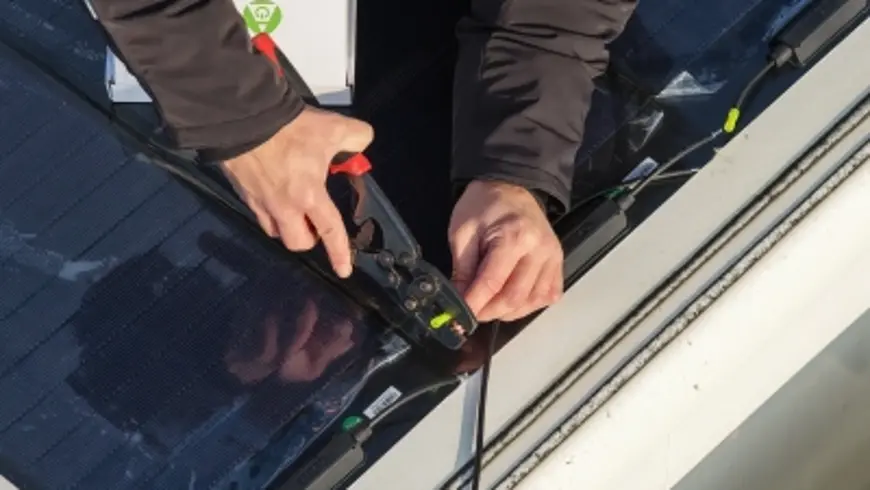
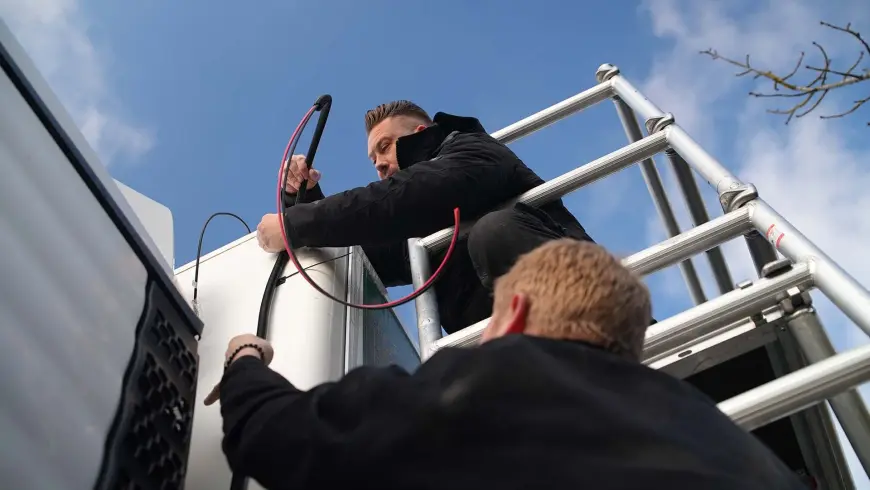
In Denmark, DEKRA Academy continued the transition of its training fleet from conventional trucks and buses to electric mobility throughout 2025. As this transition requires substantial investment and time, existing vehicles were simultaneously upgraded with rooftop solar technology. By the end of the first quarter of 2026, solar systems supplied by Green Energy had been installed on 65 training vehicles across DEKRA Academy's 13 locations nationwide. The 240 Wp CIGS solar panels are mounted directly on vehicle roofs and integrated into the electrical system. They generate electricity both while driving and when parked, reducing strain on engines and alternators. Continuous energy generation helps lower fuel consumption, reduce idling, and extend battery life.
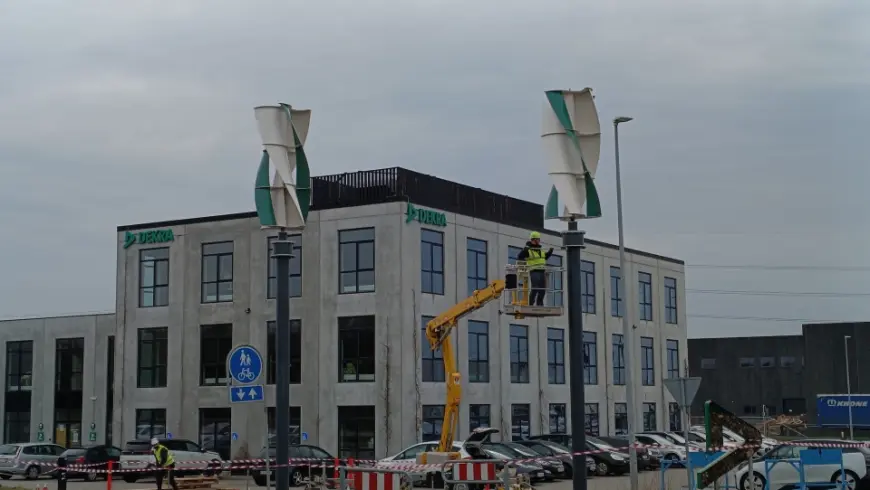
At the same time, DEKRA Denmark is steadily expanding the use of electric trucks and buses within its training programs. The Brabrand site reflects this integrated approach particularly well. In 2026, two vertical wind turbines entered operation as part of a broader energy concept combining wind power, solar generation, and battery storage. Together, these projects demonstrate how DEKRA is linking renewable energy with the expansion of electric mobility while developing site-specific solutions for a more sustainable energy future.
Morocco: Renewable Energy, Water Treatment, and Recycling for Greater Climate Resilience
DEKRA Morocco follows a comprehensive sustainability approach focused on energy efficiency, resource conservation, and climate adaptation. Nineteen photovoltaic installations generate approximately 110,000 kWh of renewable electricity annually, while 34 water treatment systems help reduce resource consumption and environmental impact. Additional initiatives include the digitalization of archives, recycling programs associated with document disposal, LED lighting conversions, photoelectric sensor technology, and the implementation of a new flood-protection plan designed to reduce climate-related risks across the organization's operations.
France: Solar Leadership, Social Impact, and Sustainable Buildings
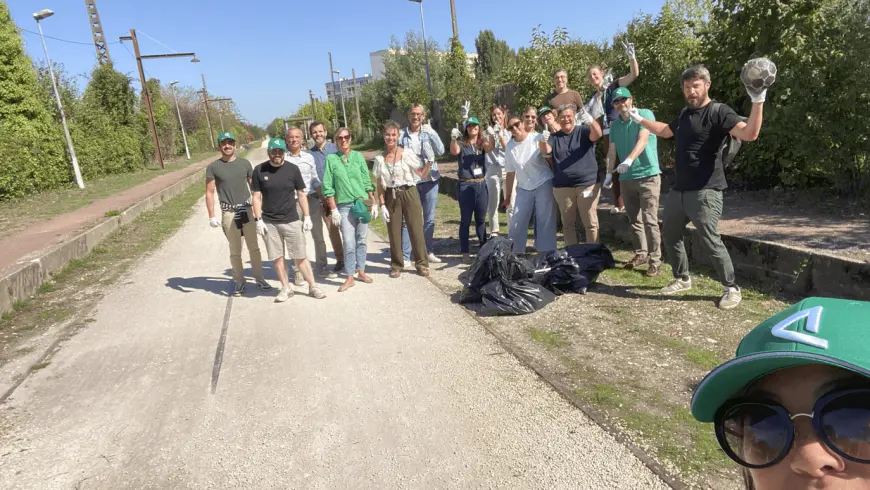
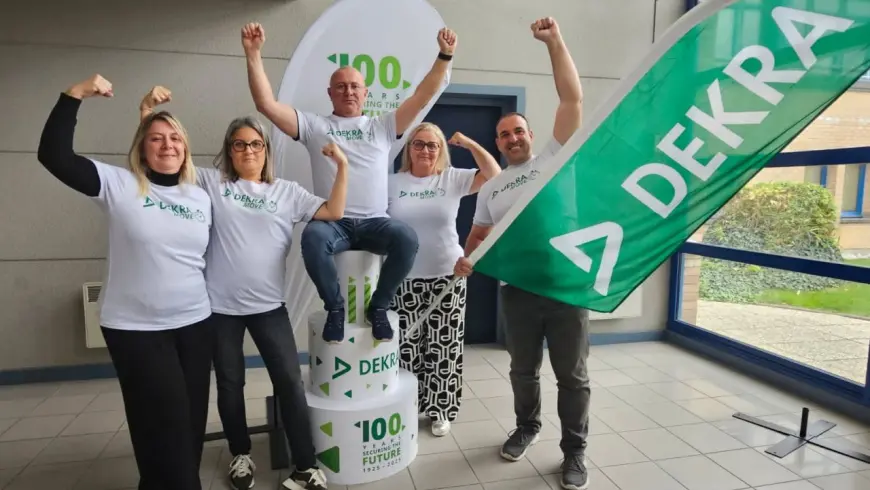
DEKRA France has exceeded Group-wide targets for solar energy generation, achieving an installed generation capacity of 5.3 percent, enough to supply the equivalent electricity demand of more than 100 households. Photovoltaic projects have been implemented at locations including Trappes, Limoges, Sevrey, and Saint-Laurent-de-Mure, while social sustainability remains an equally important focus area. The DEKRA Move Charity Challenge engaged approximately 1,400 employees, generating more than 100,000 kilometers of activity and raising €10,000 for charitable causes. Partnerships such as the École de la Deuxième Chance help support young people facing barriers to education and employment. New facilities such as the Light House Project Lyon meet demanding low-energy building standards, while relocation projects in Saintes and Nantes prioritize the reuse of office furnishings, energy-efficient LED technology, and modern workplace concepts. During the annual World Cleanup Day, DEKRA teams in Bordeaux also contributed to local environmental improvement efforts.

Portugal: Solar Energy, Digital Processes, and Electric Vehicle Fleets
DEKRA Portugal continues to invest heavily in renewable energy generation through photovoltaic systems, resulting in annual carbon savings of approximately 269 metric tons of CO₂. The digitalization of invoicing processes has reduced paper consumption by around 180 kilograms annually, while a complete transition of company vehicles to electric power is underway. Since 2026, these vehicles have increasingly been powered by electricity generated from DEKRA's own solar installations.